Singapore, Dubai, and Panama City are geographically privileged hubs for transportation, banking, and commerce. Yet one city stands out on true accessibility for the average expat and investor.
Singapore and Dubai have become symbols of global prosperity. Singapore is an elite financial hub, while Dubai is known for rapid, high-profile growth. Both thrive because of their unique positions at the intersections of continents, seaways, and trading routes. They are hubs for regional transportation, banking, and commerce.
Yet these characteristics also apply to a third city, one that is progressing towards that elite status: Panama City. It too enjoys a privileged geographic position between continents and seaways and is a well-established financial hub. It offers a rare middle ground: modern and growing yet still accessible to the average investor.
Panama City truly welcomes expats and provides real estate investment potential, affordability, and convenience. It offers a favorable tax regime, multiple residency options, relatively inexpensive real estate and cost of living, the gentlest climate, and it’s closer to and better synchronized with the U.S., being in the same time zone as Chicago (whereas there are 9-hour and 14-hour differences for Dubai and Singapore respectively).
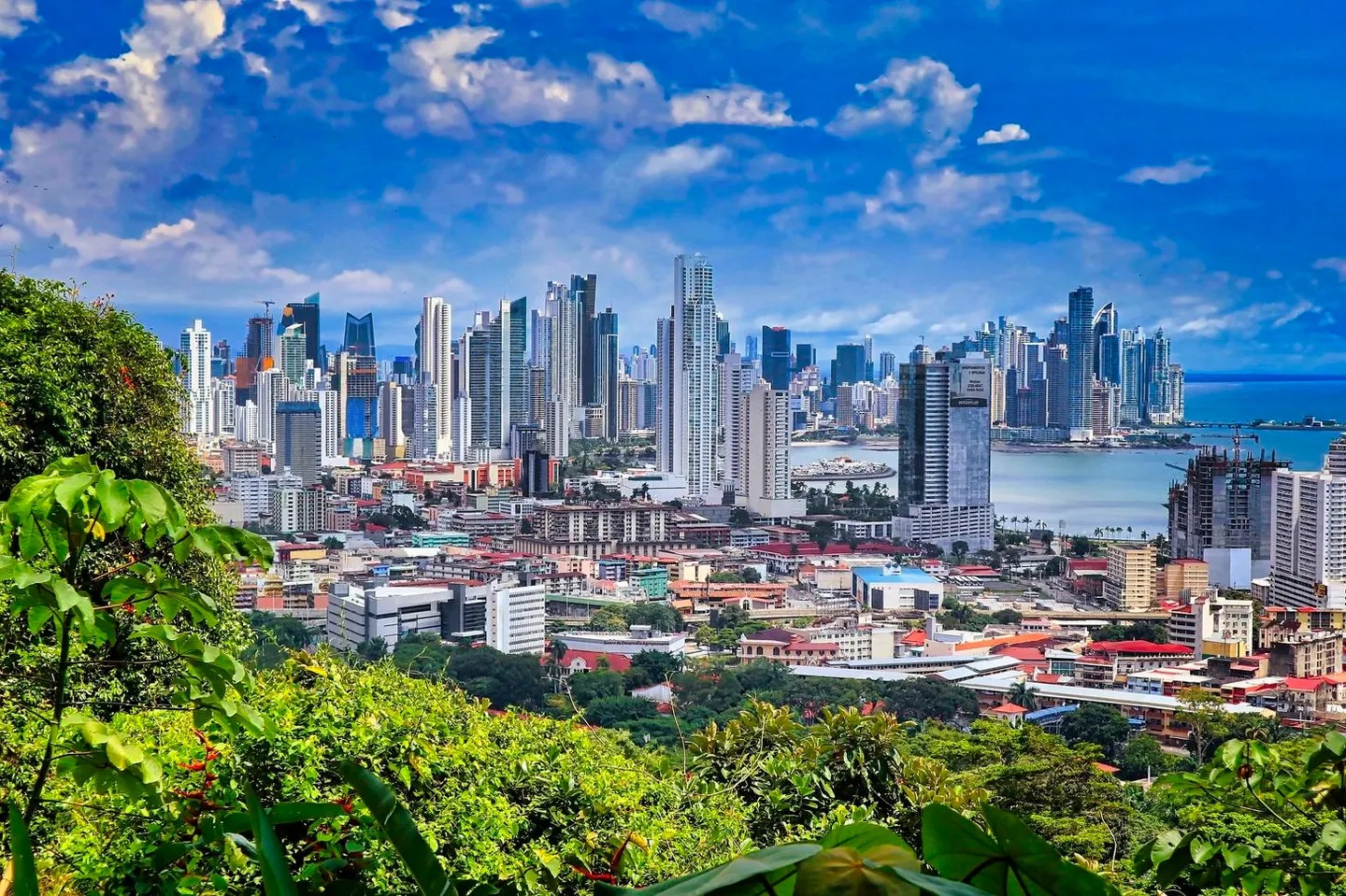
I’ve been spending time in Panama City for more than 20 years and have witnessed its transformation during that time. New skyscrapers have shot up to make way for the multinational companies and banks that have established their bases here. New infrastructure projects—bridges, cruise ship terminals, convention centers, Metro lines, and more—have enhanced ease of access.
Panama City is well on its way to becoming a symbol of global prosperity. The similar economic factors that have driven Singapore and Dubai’s rise should continue to push Panama City’s financial success, affluence, and property values to greater heights. The difference is that Panama City is still accessible to the average investor and expat—for now.
How These 3 Cities Are Similar
Geography And Economy
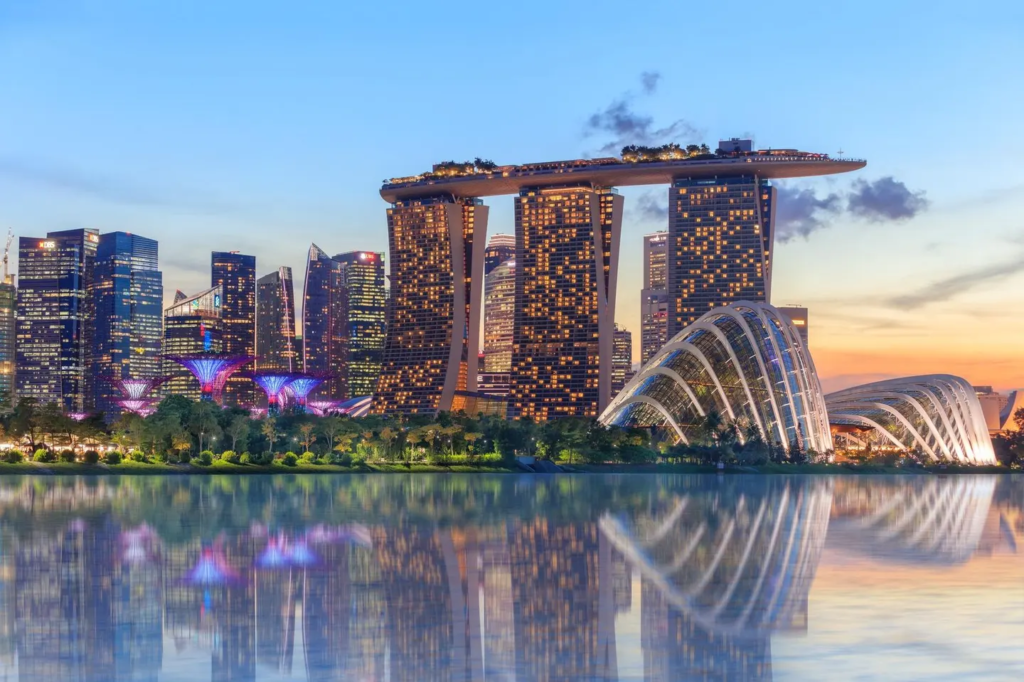
Singapore is situated at the southern tip of continental Asia, where the Indian and Pacific oceans merge. It was a historical port city, and to this day, 70% of the world’s marine shipping traffic passes through the Singapore Strait.
Dubai lies across the Indian Ocean from Singapore on the Persian Gulf, close to India, Africa, and the Middle East. It was once part of the historic Maritime Silk Road, and the modern-day Dubai Silk Road connects trading partners from China, Africa, and the Middle East.
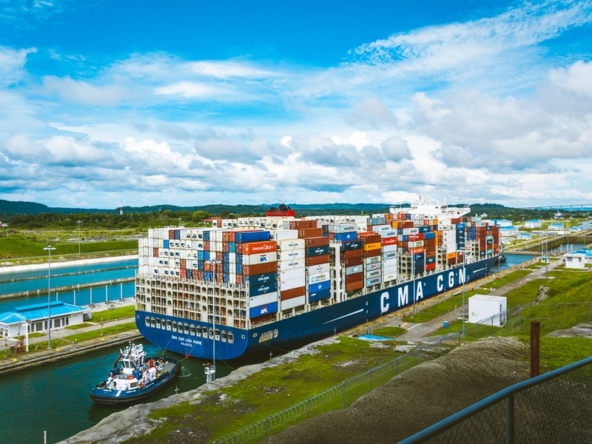
On the other side of the globe, Panama is the narrow land bridge that separates the Atlantic and Pacific Oceans and connects North and South America. Five to 10% of global maritime trade passes through the Panama Canal, and 40% of U.S. containerized goods transit the canal.
These three cities are at the critical intersections of transportation networks. This means that each is an important regional trading, commercial, and banking centers. The financial power this generates means that this trio enjoys world-class amenities and services.
Cosmopolitan Cities
Because these cities are at global crossroads, they attract people from around the world and today have diverse, cosmopolitan populations. Singapore has a population of about 4.2 million residents, with about 30% made up of expats from around the world. About 4 million people live in Dubai, and over 90% of these are expats. Panama City has a population of about 1.5 million people, with an estimated 150,000 to 300,000 expats across the country.
The Weather
Panama City is warm, Singapore is hot and humid, and you better have good air conditioning in Dubai.

Panama City has a tropical climate with the average annual temperature of about 80°F. Wet season is from May to November, and dry season is from December to April.
Singapore has a tropical rain forest climate with an average temperature of 82°F. Similar to Panama, Singapore has two seasons: rainy, from December to March, and dry, from June to September. Singapore is infamous for its high humidity.
Dubai has a hot, arid climate. Summer temperatures between May and September are often above 100°F with high humidity. In the winter, from November to March, temperatures are a more comfortable 65°F to 80°F.
Real Estate
Foreigners can buy property in Singapore, but restrictions are heavy and costs are high. Apartments and condos range from $900,000 to $1,600,000. Government approval is needed to buy landed property, which averages $4.6 million. The 60% Additional Buyer’s Stamp Duty adds to your total cost. Over the past 20 years, prices have risen by about 4.8% per year.
Foreigners can buy property in Dubai with full ownership rights and no residency requirements. You can buy a small one-bedroom apartment for as little as $70,000. A mid- to high-end apartment can cost $1 million, while luxury villas run $5 million and up. Dubai property values have had boom and bust cycles but have appreciated by almost 20% since last year and are forecast to continue to grow by 8% to 12% per year.
Foreigners are allowed to buy property in Panama and enjoy the same ownership rights as local citizens. Like Dubai, Panama City’s market has experienced big swings, but prices have risen overall over the past 20 years. Condos range from $200,000 to over $1,000,000 depending on location and size.
If you accept that the high standards of living in Singapore and Dubai are the results of their strategic shipping and trading positions, their banking and services-based economies, and their cosmopolitan societies, then the third member of this trio, Panama City, may be an opportunity for future growth in real estate valuations.
Taxes
All three locations enjoy favorable personal income tax regimes. Residents of Singapore are only taxed on locally sourced income, with foreign income usually tax exempt. Dubai does not tax salaries, personal investment income, or capital gains. Panama only taxes locally earned income and exempts earnings from foreign sources from taxation.
Residency
If you were thinking of moving to one of these three destinations, you may have to take Singapore off your list. You would need a work permit to become a resident or invest a minimum of $7.8 million to qualify for an investor’s visa.
The UAE offers a variety of residency options. Golden visas are available from about $550k. Freelance visas for digital nomads are an option if you earn more than $3,500 per month from outside the UAE. A retirement visa is available if you buy property in the UAE and have a monthly income of about $4,000 per month minimum. There’s even a visa for influencers.
Panama has some of the most expat-friendly residency options in the world. The Pensionado (retiree) Visa requires a pension of $1,000 per month. The Friendly Nations Visa is extended to citizens of the U.S., Canada, Australia, and other countries and requires an investment of $200,000 in real estate. The Qualified Investor Visa can trigger fast-track permanent residency with a $300,000 investment in property. The Self-Economic Solvency Visa also demands a $300,000 real estate investment or bank deposit.