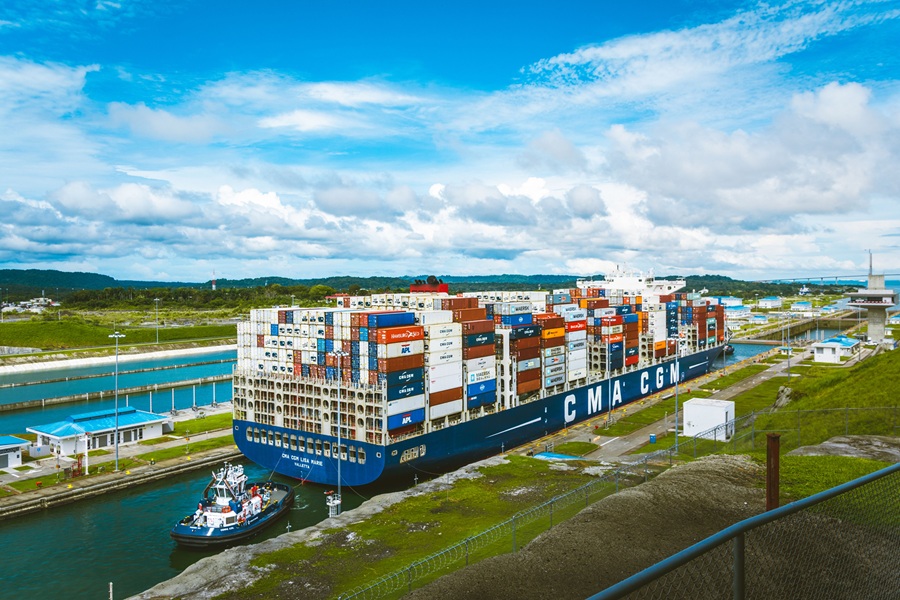
The closure of the copper mine abruptly changed Panama’s export landscape. What once seemed like an export-driven economy fueled by a mega-mining project once again revealed a more modest reality: shrimp, bananas, fish, coffee, pineapples, meat, and some industrial products. All of them are important. None, on its own, is capable of filling the void left by copper.
But there is one export that Panama does not measure as such, even though it behaves economically as one: the sale of real estate to foreigners.
According to a report by INDESA, in 2025, foreign residents and non-residents purchased approximately $841 million worth of residential real estate in Panama. The figure is extraordinary. If compared to traditional non-copper exports, “Real Estate Exports” would be, by far, the country’s leading export category.
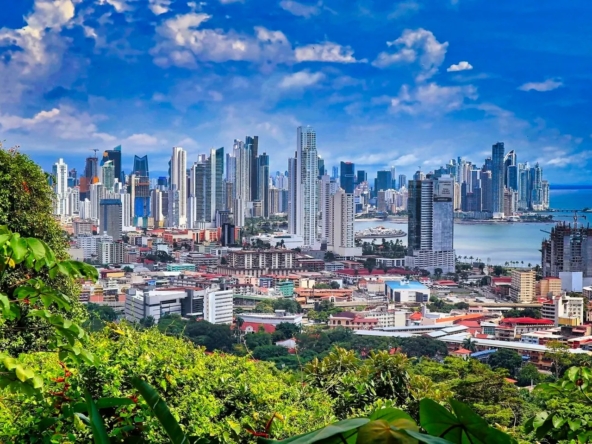
The idea may sound crazy, but it makes economic sense. An apartment sold to a non-resident foreigner is a locally produced good: developed Panamanian land, cement purchased in Panama, blueprints designed by local architects, municipal permits, Panamanian labor, Panamanian banks, Panamanian developers, Panamanian real estate agents, and Panamanian legal services. The difference is that, instead of leaving the country in a shipping container, the product physically remains in Panama, while capital flows in from abroad.
In practical terms, it is an immovable export.
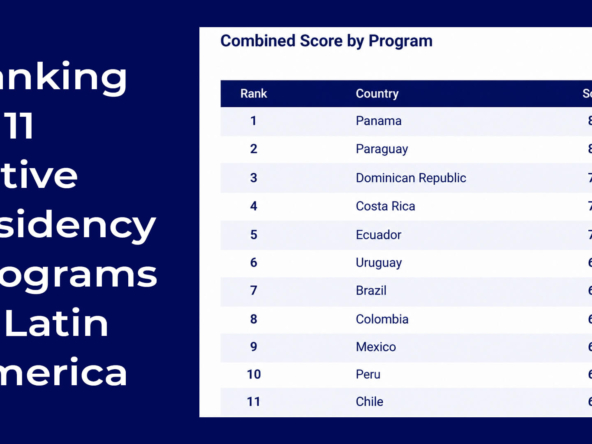
And it is not a passing fad. Historically, foreign demand came from Venezuela and Colombia, driven by political stability, asset protection, and the search for residency. Today, the phenomenon has become more sophisticated. Buyers are arriving from the United States, Canada, Europe, and China, drawn by comparatively affordable prices, dollarization, air connectivity, medical services, quality of life, relative safety, and a competitive real estate Golden Visa program.
Even more significantly: INDESA estimates that 52% of these sales are to non-resident foreigners. In other words, these are buyers who do not necessarily use the property as a primary residence, but rather as a second home, an investment, a safe haven for their assets, a retirement plan, or a gateway to immigration.
Panama should stop viewing this phenomenon as a simple real estate transaction and start treating it as a national policy for exporting residential assets, urban services, and quality of life.
Until copper returns, the country needs new sources of foreign exchange. The answer does not lie solely in producing more physical goods to send abroad. It also lies in selling the world a platform for living, investing, and retiring.
Panama’s major export of the future may not be found in a mine or a port. It may lie in its buildings, its beaches, its mountains, its hospitals, its connectivity, and its promise of a better life